Construction Management · North Texas

Construction Management Services in Dallas-Fort Worth & North Texas

Oversight from people who have actually built the site. IRONWILL Earthworks manages schedule, trade coordination, quality and scope on earthwork-driven projects — the ones where the ground decides whether the rest of the schedule holds.
Schedule & sequencing
Trade coordination
Quality control
Budget & scope
Owner reporting
Dallas-based

On the site, not on a conference call

Earthwork-first perspective

We know what the ground actually takes

Handoffs defined, not assumed

Acceptance criteria before the next trade arrives

One accountable party

Decisions made rather than routed

Where projects actually slip

Most schedule loss happens between trades, not inside them

Crews are usually good at their own scope. What goes wrong is the space between scopes — the pad that was not quite ready, the test result that had not come back, the utility that went in two tenths off. Nobody owns those gaps unless somebody is made to own them.
IRONWILL Earthworks is a North Texas earthwork contractor first, which is exactly why our construction management is worth having on site-driven work. We know what grading actually takes, what weather does to a clay site, and what ‘ready for concrete’ has to mean in writing.
Below: what construction management is, how it differs from a general contractor, what we manage, where projects lose time, and how quality is verified rather than assumed. If you have a project that needs someone accountable, tell us about it.
Definition

What is construction management?

Construction management is the professional oversight of a construction project — planning the sequence, coordinating the trades, verifying that work meets the plans and specifications, tracking scope and budget, and keeping the owner informed — so the project finishes on time, on budget and to standard.
The word covers a range. On some projects the construction manager advises the owner and holds no trade contracts. On others the same title carries the contracts and the risk. The daily work is similar either way: sequence, coordinate, verify, document, report.
What separates good management from expensive supervision is specificity. ‘Watch the site’ is not a scope. Knowing what the specification requires, checking that the work meets it, and having the documentation to prove it a year later — that is the job.
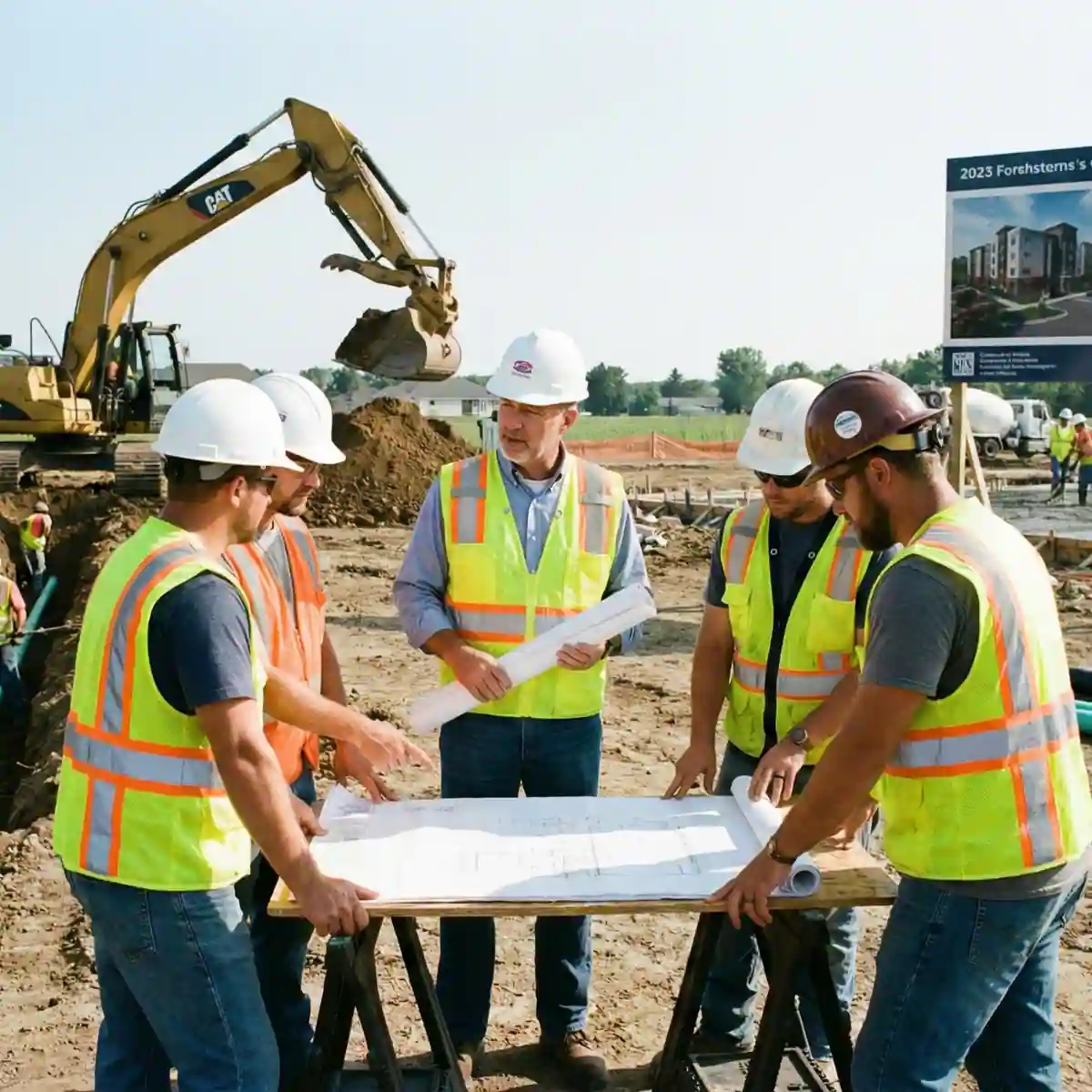
Trade coordination during construction management to ensure smooth transitions between project phases in Texas.
Often confused

Construction manager vs. general contractor — what’s the difference?

The question is not who is in charge. It is who is accountable when the ground is not ready and the concrete crew is already mobilized.

Construction manager (agent)

Works for the owner as an advisor. Manages schedule, coordination, quality and reporting, but does not hold the trade contracts and does not carry the construction risk — the owner contracts directly with the trades.

CM at risk / general contractor

Holds the trade contracts and carries the risk, usually against a guaranteed maximum price or a lump sum. The upside is single-point responsibility; the trade-off is that the party managing the budget is also the party spending it.

Where IRONWILL sits

Both, depending on the project. On earthwork-driven work we frequently self-perform the site scope and manage the trades around it. On owner-side engagements we manage without holding the trade contracts. Either way, the person overseeing the site has built one.
Worth knowing when you are comparing firms: Texas does not issue a statewide general contractor licence. Electrical, plumbing and HVAC work is licensed at state level, and most cities require contractor registration and their own permits — but there is no state credential that separates a competent construction manager from an incompetent one. The label on the contract matters less than what the people have actually built.
Scope

What we manage

Project oversight and leadership

A single accountable point of contact from preconstruction through closeout, on site rather than reporting from a distance.

Schedule and sequencing

Building the sequence, managing dependencies and float, and protecting the critical path — with realistic durations for the earthwork phases rather than optimistic ones.

Trade coordination and handoffs

Managing the transitions between scopes, with defined acceptance criteria at each one, so the next trade arrives to ground that is genuinely ready.

Quality control and testing coordination

Verifying work against plans and specifications, coordinating the independent testing laboratory, and making sure a failed test is resolved before it is buried.

Budget, scope and change control

Tracking scope against the contract, pricing changes as they arise rather than at the end, and flagging cost impacts while there is still a decision to make.

Reporting and owner communication

Regular, plain-language reporting on progress, open issues, decisions needed and what is coming next — so nothing is a surprise at the monthly meeting.
Where projects lose time

Every handoff needs an acceptance criterion

On earthwork-driven projects the schedule rarely fails inside a trade. It fails between them. Grading to utilities, utilities to fine grade, fine grade to concrete — each of those is a point where one crew leaves and another arrives expecting something.
The failure mode is always the same: the criterion was never written down. The concrete crew mobilizes, finds the pad a tenth low or the compaction test still outstanding, and everyone loses a day deciding whose problem it is. Defining what ‘ready’ means at each handoff — elevation, tolerance, test result, documentation — costs an hour in preconstruction and saves days in the field.

Acceptance criteria defined for every scope transition

Compaction and density results in hand before work is covered

Elevations and tolerances verified rather than assumed

Utility as-builts confirmed before fine grade begins

Trade mobilizations scheduled against readiness, not the calendar

Weather contingency built into the earthwork durations
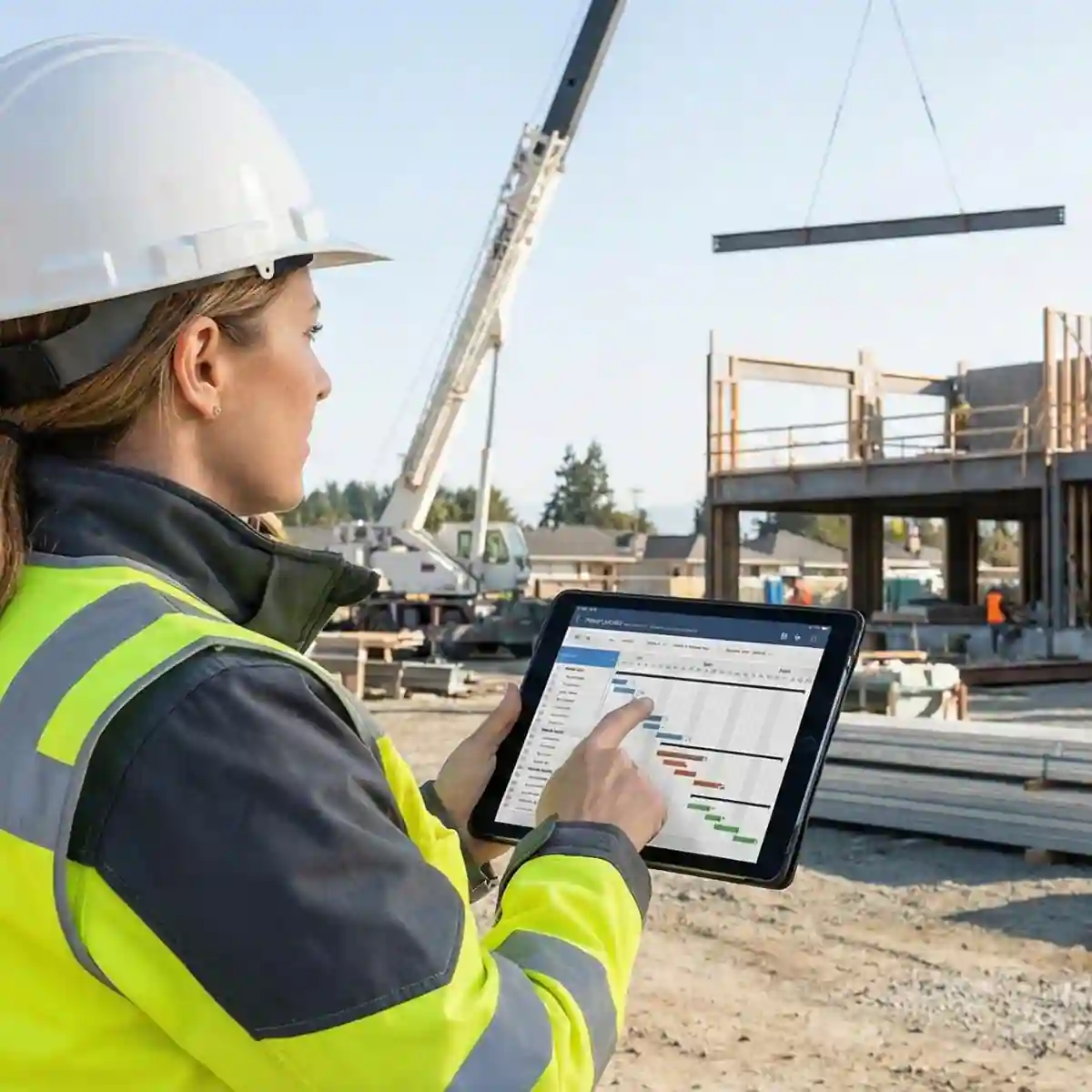
Construction management focused on scheduling and timeline coordination on a Texas construction project.
Quality and accountability

Verification is what separates management from supervision

Anyone can watch work happen. Management means knowing what the specification requires, checking that the work meets it, and holding the documentation to prove it when somebody asks a year later.

Independent testing

Density, moisture, concrete and materials testing is performed by a laboratory retained by the owner or the general contractor, not by the crew doing the work. We coordinate it, track results, and make sure a failed test is reworked rather than covered.

Submittals and RFIs

Submittals reviewed and returned before material is ordered, and RFIs raised early enough that the answer arrives before the crew does. Most field improvisation is a submittal or an RFI that was never sent.

Permits and inspections

Texas issues no statewide general contractor licence, but electrical, plumbing and HVAC are licensed at state level and every city has its own registration, permit and inspection process. Knowing which applies before mobilizing keeps inspections from becoming delays.

Documentation

Daily reports, photographs, test results, change documentation and as-builts kept as the project runs. Unglamorous, and exactly what settles a dispute two years later without a lawyer in the room.
To be clear about the roles: we are the construction manager, not the design engineer and not the testing laboratory. Those are independent for good reason and should stay that way. What we do is make sure their requirements are met in the field and documented while it is happening — starting, where it makes sense, with site analysis before anything is committed to.
How it works

Our construction management process

Management is mostly front-loaded. The decisions that determine whether a project runs smoothly are made before mobilization; everything after that is execution and honest reporting.
01

Preconstruction and alignment

Scope boundaries, budget, schedule, communication expectations and decision-making authority all agreed before the first mobilization. Most disputes later are questions nobody answered here.
02

Sequence and handoff planning

The construction sequence built out with acceptance criteria at each trade transition, and honest durations for the phases that depend on weather and testing.
03

Mobilization and controls

Permits confirmed, site and erosion controls installed, testing laboratory engaged, and the reporting cadence started before work begins.
04

Active oversight

Daily presence on site: progress tracked, trades coordinated, and issues resolved at the level they occur rather than escalated a week later.
05

Quality verification and change control

Work checked against plans and specifications, testing tracked through to closure, and changes priced and approved as they arise instead of at the end.
06

Closeout and handoff

Punch list resolved, documentation assembled, as-builts and warranties delivered, and the project handed to ownership or into the next phase cleanly.
Why it matters

What good management is actually buying you

The value of construction management sits almost entirely in what does not happen. The rework caught at inspection instead of after the pour. The change order priced in week three instead of argued in month nine. The trade that did not mobilize into a site that was not ready.
None of that appears as a line item, which is why management is the easiest scope to underinvest in and the most expensive one to get wrong.

Schedule protected at the transitions, not only within trades

Rework caught before it is covered up

Changes priced while there is still a decision to make

One accountable party instead of routed responsibility

Documentation that holds up long after closeout

Owners who always know where the project stands
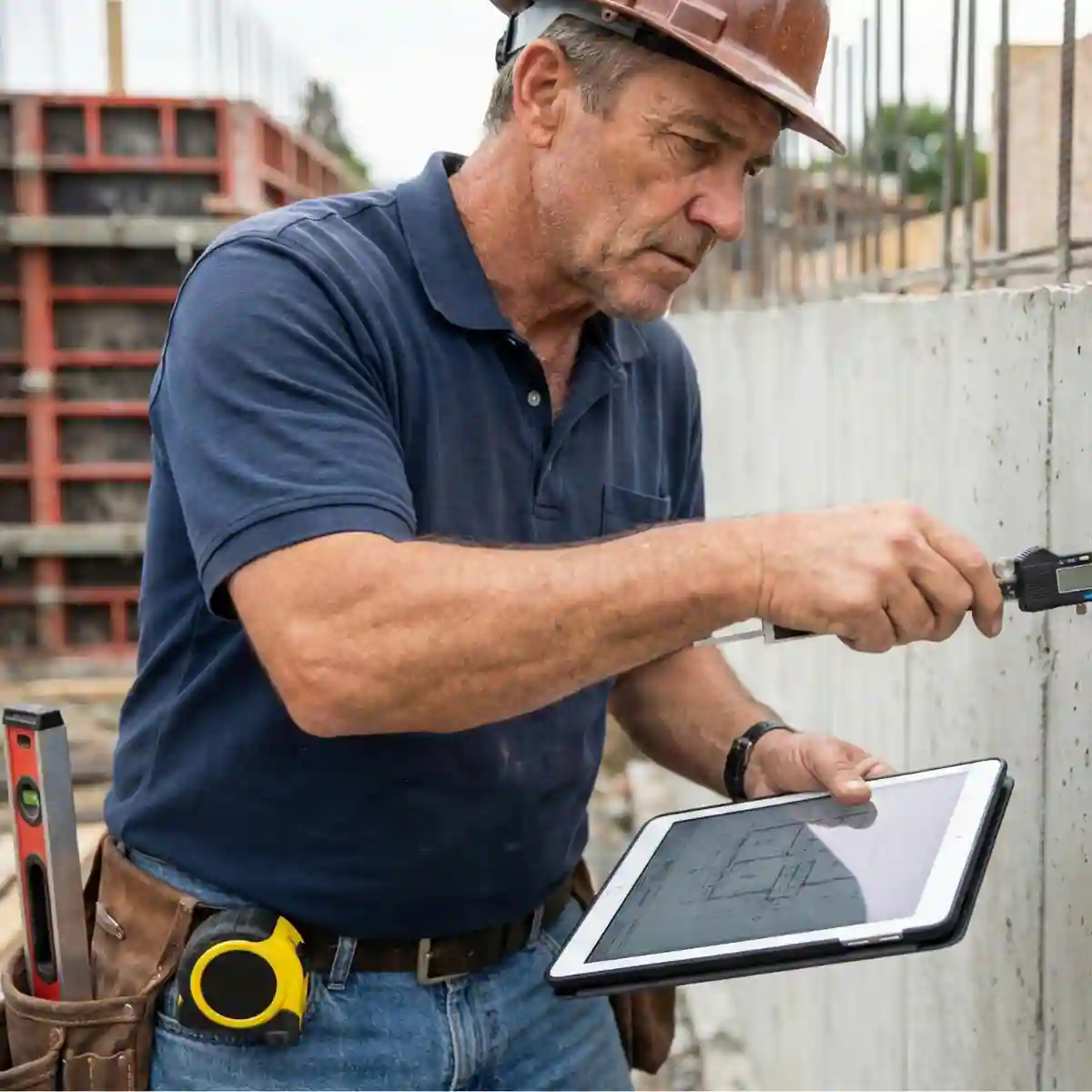
Construction quality control inspection performed as part of construction management services in Texas.

Have a project that needs someone accountable?

Send the scope, the schedule you are working to, and where the project stands today. We will tell you honestly whether it needs construction management, whether the earthwork durations are realistic, and where we think the schedule is most likely to slip.
Who we work for

Projects we manage

We are most useful where the ground drives the schedule. If your project’s critical path runs through earthwork, utilities and site readiness, that is the work we know from having done it ourselves.

Commercial developments

Retail, office, industrial and mixed-use projects where the site work, utilities and vertical construction all have to be sequenced against one another.

Residential subdivisions

Section-by-section development where builders need finished lots released on a schedule, not all at once and not late.

Multi-phase construction projects

Projects built in stages, where one phase is occupied or under construction while the next is still being moved.

Infrastructure improvements

Roadway, drainage and public-works scopes built to inspected standards with the documentation trail those projects require.

Redevelopment projects

Sites with existing structures, utilities and unknowns, where clearing and demolition sequencing determines when everything else can start.

Earthwork-driven builds

Any project where the site is the long pole — large cut and fill, difficult soils, constrained access, or a drainage design that has to be right the first time.
The IRONWILL difference

How we approach management

Earthwork-first perspective

We understand how the site drives everything that follows it.

Trade-aware coordination

Transitions planned with acceptance criteria, not improvised on the day.

Clear accountability

Defined responsibilities, decisions made, and follow-through you can see.

Execution-focused

Practical oversight that keeps work moving rather than generating paperwork.
Service area

Construction management across Dallas-Fort Worth and North Texas

We manage commercial, residential, industrial and municipal projects throughout North Texas. Being based in Dallas is the point — construction management done from another city is reporting, not management.
If your project is in or around the metroplex, ask — it is usually in range.
Allen
Lucas
Melissa
Richardson
Lewisville
The Colony
Prosper
Celina
Little Elm
Rockwall
Mesquite
Grapevine
Flower Mound
Weatherford
Kaufman
Waxahachie
Wylie
Sherman
Collin County
Send with your inquiry
→

Project location, type and approximate size

→

Current stage — preconstruction, active or troubled

→

The schedule you are working to

→

Which scopes are already under contract

→

What is not going the way you expected

FAQ

Construction management FAQ

What is construction management?

Construction management is the professional oversight of a construction project — planning the sequence, coordinating the trades, verifying that work meets the plans and specifications, tracking scope and budget, and keeping the owner informed — so the project finishes on time, on budget and to standard.

What is the difference between a construction manager and a general contractor?

A general contractor holds the trade contracts and carries the construction risk, usually against a lump sum or a guaranteed maximum price. A construction manager acting as the owner’s agent manages schedule, coordination, quality and reporting without holding those contracts, so the owner contracts directly with the trades. The daily work looks similar; who carries the risk does not.

What is the difference between CM as agent and CM at risk?

CM as agent (also called agency CM) advises the owner and holds no trade contracts, so the owner keeps the risk and the direct relationships. CM at risk holds the trade contracts and delivers against a guaranteed maximum price, taking on the cost and schedule risk in exchange for single-point responsibility.

Do I need a licensed construction manager in Texas?

Texas does not issue a statewide general contractor or construction manager licence. Electrical, plumbing and HVAC work is licensed at state level, and most cities require contractor registration along with their own permits and inspections. Because there is no state credential that certifies management competence, the relevant question is what the firm has actually built and who will be on your site.

When should a construction manager be brought onto a project?

As early as possible, and certainly before the schedule is committed. Most of the value is in preconstruction — sequencing, realistic durations, defining what each trade handoff requires, and identifying which parts of the site are likely to control the critical path. Bringing management in after mobilization limits it to damage control.

What does a construction manager do day to day?

Walks the site, tracks progress against the schedule, coordinates the trades working that week, resolves conflicts and questions before they escalate, chases submittals and RFIs, coordinates the testing laboratory, documents what happened, and reports to the owner. The visible part is the walking; the value is in what gets caught.

How is construction management priced?

Typically either as a percentage of construction cost or as a fixed monthly fee tied to the project duration, sometimes with a preconstruction fee separate from the construction phase. Which structure is appropriate depends on the size of the project, how long it runs, and how much of the scope is being self-performed.

Who does the testing and inspection?

An independent testing laboratory retained by the owner or the general contractor performs density, moisture, concrete and materials testing, and the city performs code inspections. The construction manager coordinates both, tracks results and makes sure failures are resolved — but does not test its own work, because that would defeat the purpose.

Can you take over a project that is already in trouble?

Yes, and it is a common reason people call. The first step is an honest assessment: what the real schedule position is, what has been documented, where scope and change orders actually stand, and what can still be recovered. That assessment sometimes says things an owner does not want to hear, which is the point of getting it.

Why does an earthwork contractor offer construction management?

Because on site-driven projects the earthwork is usually the critical path, and it is the scope most often estimated by someone who has never run it. We know what mass grading takes in wet weather on clay, what a compaction failure does to a schedule, and what ‘ready for concrete’ has to mean in writing. That is a narrow specialty, and we say plainly that it is where we are most useful.