From Dirt to Dream: Essential Techniques for Commercial Site Grading

Why Commercial Site Grading Sets the Stage for Construction Success

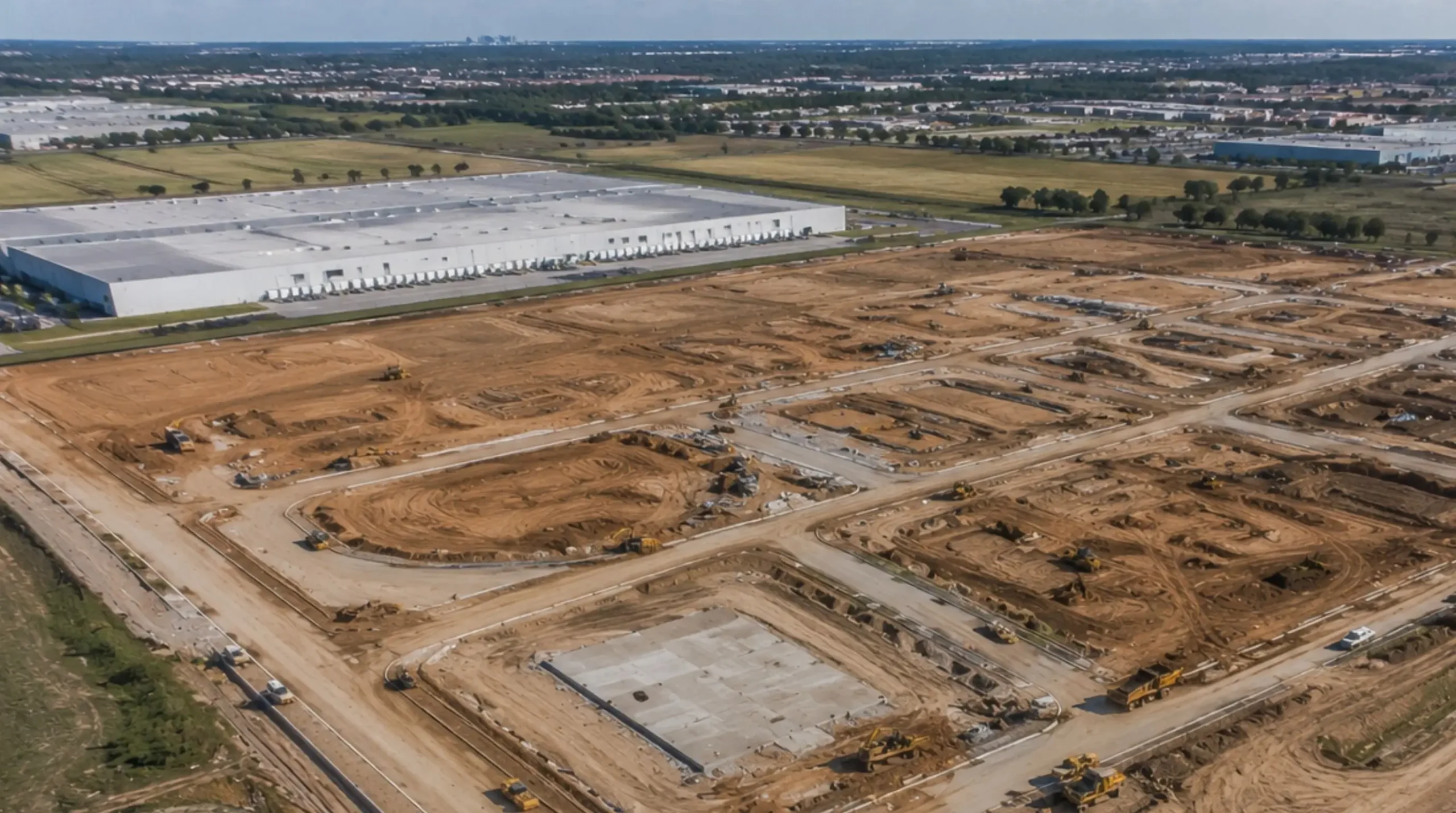
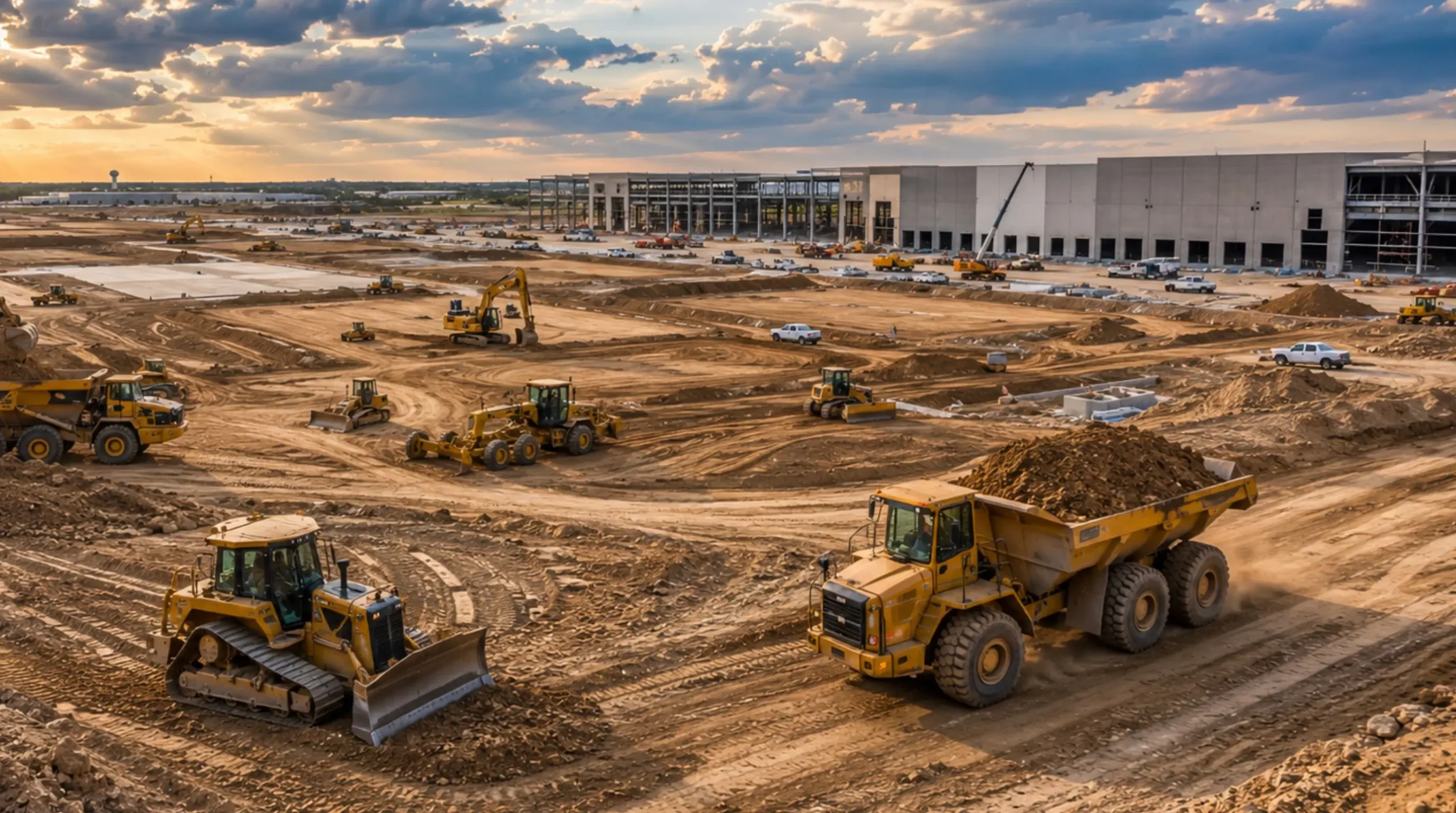
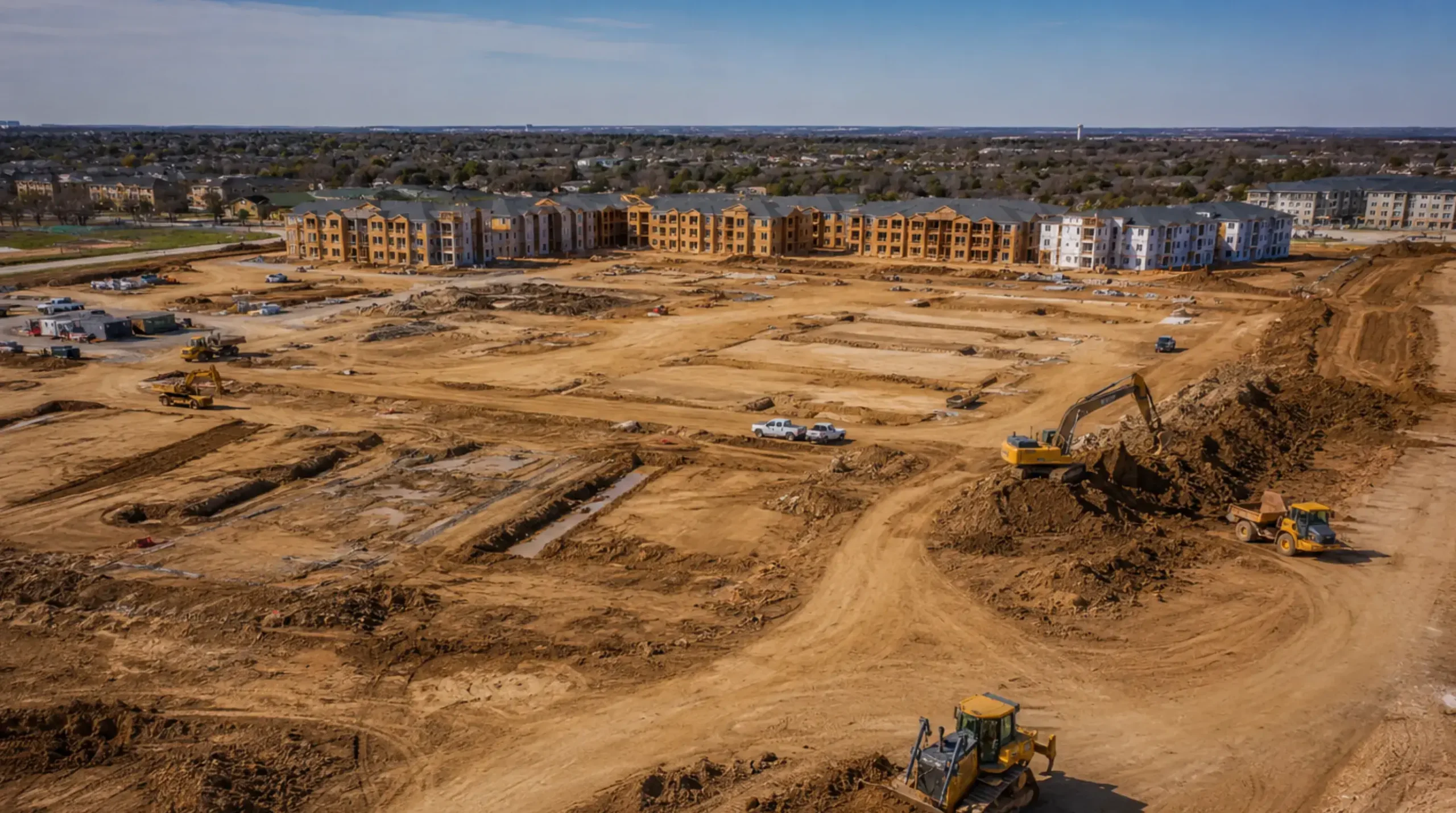
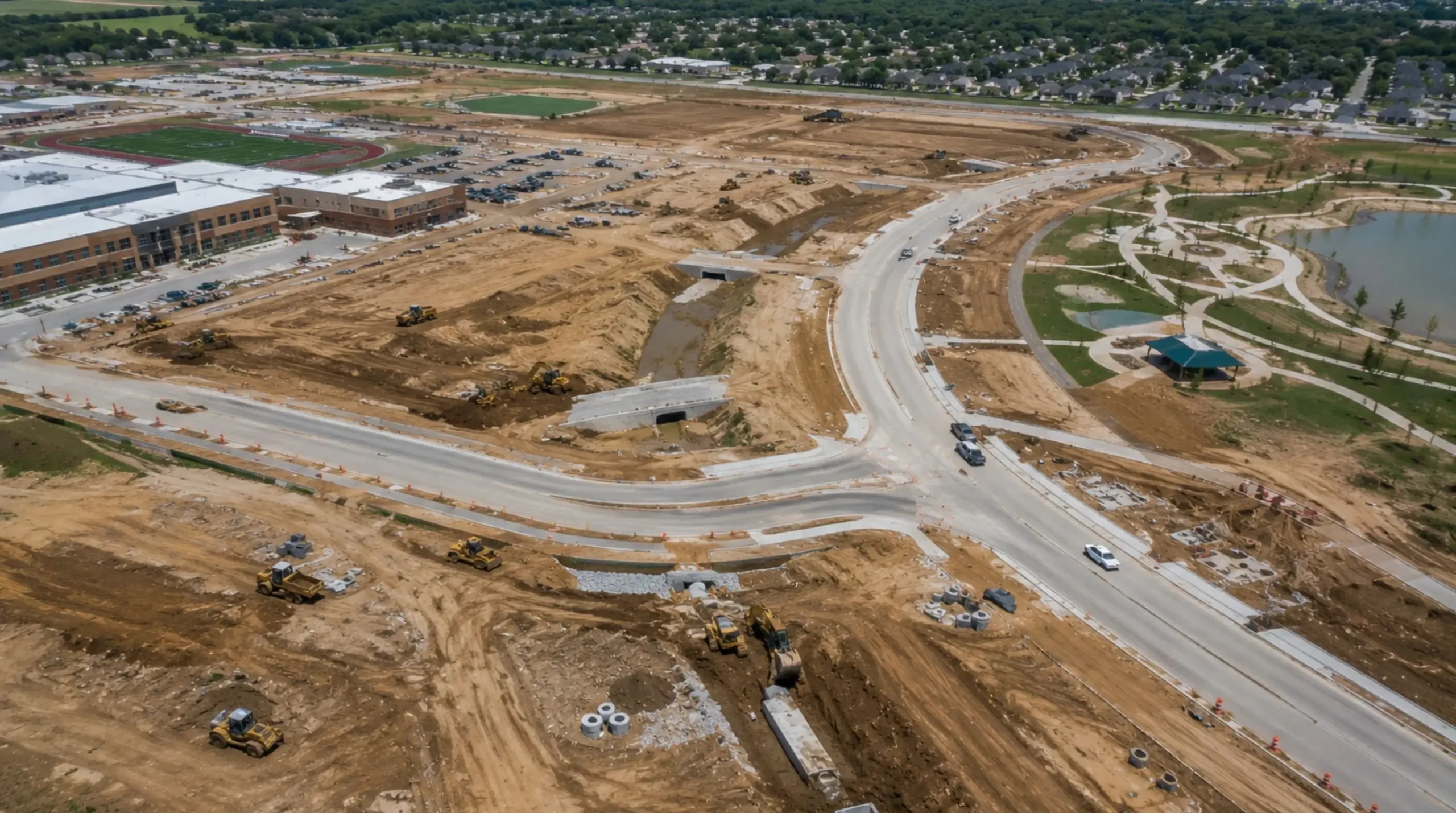
Commercial site grading is the process of shaping and leveling land to create a stable, properly drained foundation for projects like retail centers, office buildings, and industrial facilities. It involves moving soil, establishing precise elevations, installing drainage, and preparing the site to support structures, parking, and utilities.

What Commercial Site Grading Accomplishes:

  • Creates a stable foundation to prevent structural damage from settling soil.
  • Manages water drainage to direct stormwater away from buildings, preventing flooding and erosion.
  • Ensures regulatory compliance with local building codes, zoning, and ADA accessibility standards.
  • Prepares for utilities by establishing proper grades for water, sewer, and electrical infrastructure.
  • Improves site accessibility for vehicles, equipment, and pedestrians.

Whether you’re breaking ground on a new development or expanding a facility, proper site grading is the literal foundation of your project’s success. Poor grading leads to flooded parking lots, cracked foundations, failed inspections, and costly rework that derails schedules and budgets.

In our experience at IRONWILL Earthworks with earthwork and site development across Texas, we’ve seen that commercial site grading is the backbone of every successful build. Getting it right the first time saves more money and headaches than any other phase of construction. The difference between a smooth build and a nightmare of delays often comes down to how well the dirt work is planned and executed.

infographic showing the commercial site grading process from initial survey and planning, through permit approval and site clearing, to rough grading with heavy equipment, final grading with precision technology, and completed site ready for construction - Commercial site grading infographic process-5-steps-informal

The “Why”: Core Benefits of Professional Site Grading

Professional commercial site grading is about engineering a foundation that protects your investment for decades. The core benefits are significant:

Foundation Stability and Structural Integrity: A commercial site must support immense weight. We create a stable platform by removing unsuitable soil, using engineered fill, and compacting it to precise specifications. This prevents settling and shifting that leads to cracked foundations and costly structural damage.

properly graded commercial property - Commercial site grading

Flood Prevention and Erosion Control: Proper grading is your first line of defense against water damage. We calculate every slope and swale to direct stormwater away from buildings and into designated drainage systems. This prevents flooding, pooling water, and the erosion that can undermine roads and topsoil, which is especially important during intense Texas storms.

Regulatory Compliance: Every commercial project in Texas must meet local codes for slopes, drainage, and accessibility. Getting this wrong leads to stop-work orders, rework, and expensive delays. Professional grading ensures your project passes inspections the first time.

Improved Property Value and Long-Term Savings: A well-graded site functions better, which tenants and buyers notice. Good drainage and stable foundations mean fewer expensive repairs, protecting your property’s marketability and saving you money long-term.

Commercial vs. Residential Grading: Key Differences

Grading a commercial site is far more complex than a residential lot. The primary differences are:

comparison table of commercial vs residential grading - Commercial site grading infographic venn_diagram

  • Scale and Load: Commercial projects cover acres, not lots, and must support heavy buildings, constant truck traffic, and large parking areas.
  • Drainage Complexity: Commercial sites require engineered drainage networks with catch basins, storm pipes, and retention ponds to manage massive runoff from roofs and pavement.
  • Heavy-Duty Access: Loading docks, access roads, and parking lots need to be built to withstand constant, heavy use.
  • ADA Compliance: The Americans with Disabilities Act mandates specific slopes and transitions for all commercial pathways, parking, and entrances.
  • Permitting: Commercial projects involve extensive plan reviews, multiple agency approvals, and ongoing inspections, a far more rigorous process than residential permits.

Ensuring Long-Term Functionality and Safety

Quality grading ensures your site performs well for decades. By establishing proper slopes, we prevent water damage to foundations and building materials. We also protect parking lots and roadways from deterioration caused by standing water, extending their lifespan. This safeguards building structures and creates safe access for vehicles and pedestrians, preventing hazards and reducing liability.

Want to learn more about how we tackle the groundwork for commercial success? You can find more info about our excavation services.

The “What”: Deconstructing the Commercial Site Grading Plan

Before any dirt is moved, a comprehensive commercial site grading plan is developed. This detailed blueprint, created by civil engineers, shows how the land will be shaped to manage water and support the proposed structures. It is the critical guide for all land development.

Our process begins with a topographic survey of the site’s existing contours. This data informs the civil engineering design, which outlines the layout of buildings, parking, and other features with a focus on proper drainage. We analyze contours, soil, and environmental factors to create an optimal grading strategy. This blueprint for success includes a detailed earthwork analysis to determine cut and fill volumes and an evaluation of soil composition, which is vital for stability and drainage.

Key Components of a Comprehensive Plan

A robust commercial site grading plan includes:

  • Proposed Elevations and Contour Lines: These show the desired finished elevations and slopes of the land. Spot elevations provide precise height information.
  • Drainage Systems: The plan details solutions like swales (shallow channels) and catch basins with underground pipes to collect and convey stormwater away from buildings.
  • Erosion Control Measures: The plan specifies locations for measures like silt fencing to prevent soil erosion and sediment runoff during construction.
  • Soil Stockpiling Areas: Designated areas for temporarily storing excavated soil are identified for organized site management.
  • Compliance with Regulations: The plan must demonstrate adherence to local regulations and environmental standards, including North Texas building codes, zoning, and environmental protection mandates.
  • Utility Infrastructure: Locations for underground utilities like storm drains, sewer, water, and electrical conduits are detailed to ensure proper integration.

The “How”: The Commercial Site Grading Process from Plan to Reality

With a solid commercial site grading plan approved, we turn the blueprint into reality. The process follows several key stages:

  1. Site Evaluation and Permitting: We begin with a final site evaluation to verify conditions. Concurrently, we manage the permitting process, submitting all required documentation to local authorities for approval.
  2. Site Clearing: Once permits are secured, we clear the site of trees, brush, debris, and old structures to create a clean workspace.
  3. Earthmoving and Compaction: This is the heavy lifting phase. We perform earthmoving (cut and fill) to relocate massive amounts of soil, sculpting the land to the plan’s elevations. Afterward, compaction is critical. We use specialized equipment to methodically compress the soil in layers, ensuring it meets engineering specifications for density and stability to prevent future settling.

The Approval Gauntlet: Navigating Permits and Regulations

Every commercial project in Texas must comply with local municipal codes and zoning laws. The permit submission involves a package of grading plans, soil reports, and drainage calculations. During the plan review process, officials check for compliance with all codes and standards. This can involve requests for revisions.

After approval, we can expect periodic site inspections to verify work follows the approved plans. The timeline for permits varies by city and county in Texas, depending on project complexity and the planning office’s backlog. We build this time into our project schedules to avoid delays and fines.

If you’re curious about how we handle all the preliminary groundwork that sets up successful grading, check out our Commercial Site Preparation Services in Dallas, Texas.

On-Site Execution: Technology and Techniques for Commercial Site Grading

The technology we use for commercial site grading today relies on precision tools for accuracy down to a fraction of an inch.

  • GPS-Guided Equipment: We load the plan’s digital model into our bulldozers and graders. The GPS system then automatically guides the blade to achieve exact elevations, ensuring perfect alignment with the engineer’s design.
  • 3D Modeling and Drones: Using software like AutoCAD, we use 3D modeling to visualize the project, optimize cut and fill volumes, and plan operations. Drone surveys provide rapid, updated topographic data and progress tracking.
  • Laser Leveling: For final surfaces like building pads and parking lots, laser leveling systems provide ultimate precision, creating perfectly sloped surfaces that prevent drainage issues.

The work itself involves strategic cut and fill operations to balance the site, minimizing the need to haul material. Soil compaction is done in controlled lifts (layers) to create a uniformly dense and stable foundation. The process moves from rough grading, which establishes the site’s basic shape and elevations, to final grading, which fine-tunes slopes and prepares surfaces for paving or landscaping. This combination of modern technology and proven techniques ensures a high-quality result.

Overcoming Common Challenges and Environmental Factors

Even the best commercial site grading plans can face challenges. Anticipating and managing these issues is key to keeping a project on schedule.

Common obstacles include unexpected soil conditions, such as the highly expansive soils found in Texas that require specialized stabilization techniques. Challenging terrain like steep slopes or rock may require different equipment and strategies. In Texas, weather delays from sudden downpours are a reality, necessitating robust erosion control to protect the site.

We are also committed to protecting natural habitats and using sustainable practices. This involves careful planning to preserve vegetation, guard water sources, and follow rules to protect local wildlife. Our approach blends development needs with environmental respect.

For more information on how we manage the earth beneath your project, check out our insights on Dirt Work in Texas.

Sustainable Practices in Commercial Site Grading

Sustainable grading is both environmentally responsible and a smart business decision. Key practices include:

  • Effective Stormwater Management: We design systems like permeable pavements and bioretention areas that reduce runoff and improve water quality by allowing it to soak into the ground.
  • Erosion and Sediment Control: We use silt fencing and other measures to prevent pollutants from entering local waterways during construction.
  • Minimizing Ecological Disruption: We carefully plan site access to disturb only necessary areas, preserving existing vegetation where possible and restoring sites quickly.
  • Water Source Protection: Our grading activities are planned to avoid harming nearby water bodies or groundwater.

These practices can help projects earn green building certifications like LEED credits, adding value to your property.

Frequently Asked Questions about Commercial Site Grading

Here are answers to some of the most common questions we receive about commercial site grading.

How much does commercial site grading cost?

The cost of commercial site grading varies significantly based on several factors, so there is no one-size-fits-all price. Key variables include project size, soil conditions (e.g., stable vs. expansive soils), site access, and terrain complexity.

While a general range might be $0.08 to $2.00 per square foot, this is only a rough estimate. For an accurate number custom to your Texas project, a professional quote based on a detailed site assessment is essential.

How does proper grading impact a commercial property long-term?

Proper commercial site grading is a crucial investment in your property’s long-term value and functionality. It:

  • Prevents costly structural damage by creating a stable foundation that resists settlement.
  • Mitigates flood risk by directing water away from buildings and into engineered drainage systems.
  • Reduces maintenance costs for parking lots and landscapes by ensuring proper drainage.
  • Ensures safety and accessibility for customers, employees, and deliveries, helping you meet all required standards.

What is the main difference between commercial and residential grading?

The primary difference is scale and complexity. Commercial site grading involves much larger areas and must meet heavy-duty requirements for large buildings, parking lots, and access roads for delivery trucks.

Commercial projects also require complex, engineered drainage systems to manage significant stormwater runoff. Furthermore, there is a strict focus on ADA compliance, mandating specific slopes for accessibility, a level of regulatory oversight not typically required for residential properties.

Your Blueprint for a Solid Foundation

As we’ve covered, commercial site grading is where your project’s future is decided. It’s the difference between a building that stands strong for decades and one that battles drainage issues, foundation cracks, and compliance headaches.

Proper grading ensures foundation stability, provides flood and erosion control, meets regulatory compliance, and adds long-term value to your property. This success doesn’t happen by accident; it starts with a detailed, comprehensive plan that accounts for every contour, drainage path, and compliance requirement.

Here at IRONWILL Earthworks, we have over 25 years of experience with Texas construction projects. We know the local soil conditions, codes, and permitting processes from Dallas to Houston. We bring the technology and expertise to execute your grading plan with precision.

We’re not just moving dirt—we’re building the foundation for your success. Whether you’re developing a retail center, industrial facility, or office complex, we ensure your project starts on solid ground.

Ready to get started? Explore our comprehensive site preparation services and let’s talk about how we can bring your commercial vision to life with the right foundation beneath it.

share this post:

LinkedIn
Facebook
X