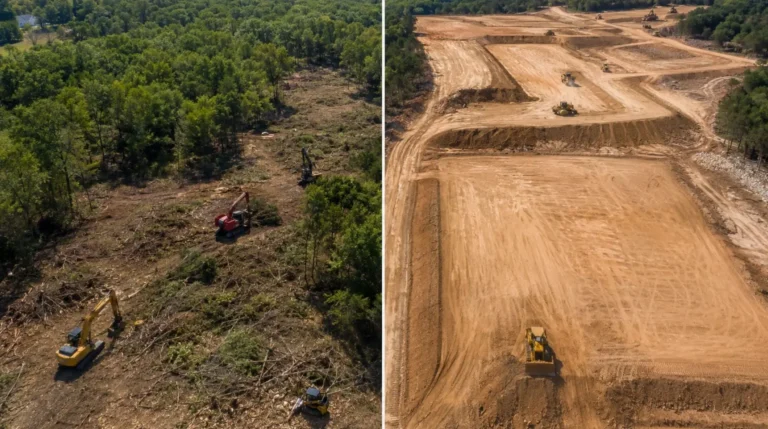
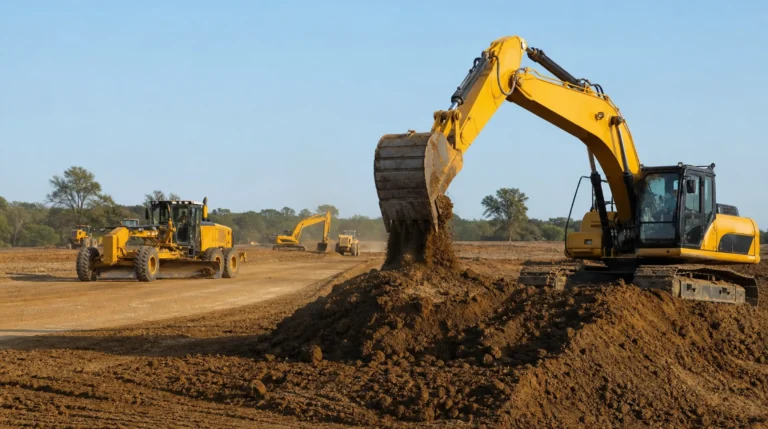
Erosion control is a critical yet often overlooked component of construction, land development, and property management. When soil erosion is not properly managed, it can lead to structural instability, drainage failures, environmental damage, and costly project delays.
From construction sites to residential properties and agricultural land, erosion control plays a vital role in protecting both investments and natural resources. Understanding how erosion occurs — and how to prevent it — is essential for anyone involved in land improvement or development.
What Is Erosion Control and Why Is It Important?
Erosion control refers to the practices and systems used to prevent soil loss caused by water, wind, and human activity. While erosion is a natural process, construction, land clearing, and poor drainage can significantly accelerate it.
According to the Natural Resources Conservation Service (NRCS), billions of tons of soil are lost annually in the United States due to erosion. This loss reduces soil fertility, damages infrastructure, and contributes to water pollution.
In construction environments, effective erosion control methods help:
-
Protect building foundations and site stability
-
Prevent sediment runoff into waterways
-
Reduce flooding and drainage issues
-
Ensure compliance with environmental regulations
-
Maintain long-term land usability
Without proper erosion management, even well-planned projects can face serious structural and environmental challenges.
Common Erosion Control Methods
There are several proven erosion control techniques used across residential, commercial, and infrastructure projects. Each method addresses specific site conditions and environmental factors.
Vegetative Cover
Planting grass, shrubs, or trees helps stabilize soil through root systems that bind the ground together. Vegetation also absorbs rainfall and reduces surface runoff. This is one of the most cost-effective long-term erosion solutions for slopes and open land.
Terracing
Terracing reshapes sloped land into a series of stepped levels, reducing the speed and force of water runoff. This method is widely used in agricultural and hillside construction projects to prevent soil displacement.
Silt Fences and Sediment Barriers
Temporary sediment control measures such as silt fences are commonly used on construction sites. These barriers allow water to pass through while trapping sediment, preventing erosion-related pollution and site degradation.
Grading and Drainage Improvements
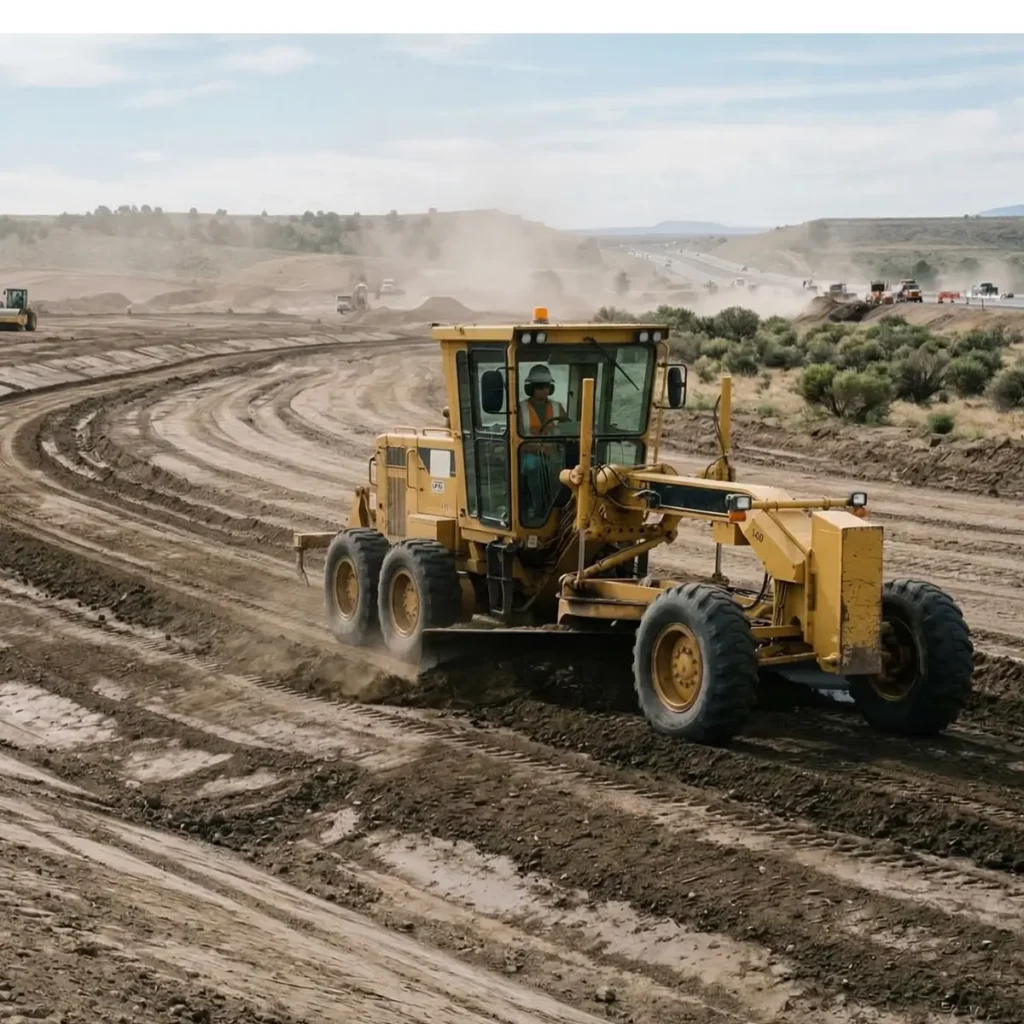
Proper land grading is one of the most important aspects of construction erosion control. By shaping the land to direct water flow away from structures and vulnerable areas, contractors can significantly reduce erosion risk.
Erosion Control Blankets and Geotextiles
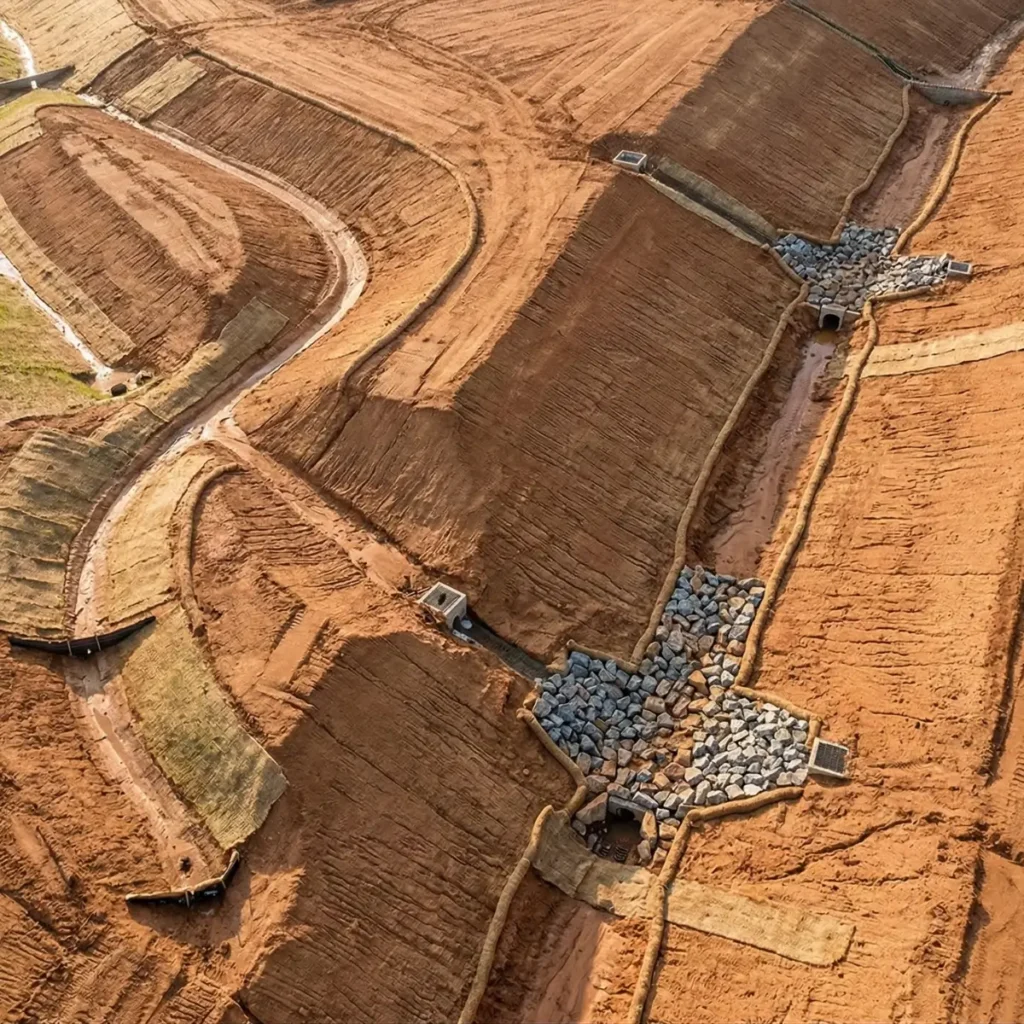
Geotextiles and erosion control blankets provide temporary soil stabilization while vegetation establishes. These materials are especially useful on steep slopes or newly disturbed ground.
Modern Innovations in Erosion Control
Advancements in technology and materials are transforming how erosion is managed in construction and land development.
Biodegradable Stabilization Materials
New biodegradable erosion control products reduce environmental impact while maintaining effectiveness. These solutions support vegetation growth and eliminate long-term plastic waste.
Drone Monitoring and Smart Sensors
Drones and soil monitoring sensors allow contractors to assess erosion risks in real time. This proactive approach enables faster intervention and improved land management strategies.
GPS-Guided Grading Systems
Precision grading technology helps ensure accurate slope creation and water flow control, reducing erosion potential before construction begins.
At IRONWILL Earthworks, these technologies are integrated into site preparation and drainage planning to deliver reliable erosion control outcomes across North Texas projects.
When Is Erosion Control Required?
Erosion control measures are typically necessary whenever soil is disturbed. Common situations include:
Construction and site development
Land clearing and grading
Agricultural land preparation
Infrastructure and roadway projects
Residential landscaping on slopes
In many areas, erosion control is also required to meet environmental permitting standards.
Conclusion: Protecting Land Through Effective Erosion Control
Erosion control is a foundational element of responsible construction and land development. By combining proven techniques such as grading, vegetation, and drainage with modern technology, contractors can prevent soil loss and protect long-term project performance.
At IRONWILL Earthworks, erosion control is integrated into every phase of site preparation. Our goal is to ensure land remains stable, compliant, and ready for sustainable use.
Whether managing a residential project or large commercial development, investing in professional erosion control helps safeguard both property value and environmental health.